Sweden × Japan
MIRAI Stakeholder Retreat · Day 0 of MIRAI R&I Week 2026
Energy Materials for Resilient Cities
A Sweden–Japan stakeholder retreat at the meeting point of energy materials and resilient urban systems.
A one-day, stakeholder-centered retreat bringing together researchers, early-career scientists, and regional stakeholders to turn emerging energy-materials research into pilot ideas for low-carbon, resilient cities.
This retreat is by invitation only — unfortunately the capacity is limited, to keep the working groups small. If you feel you can genuinely contribute, please let us know.
About the retreat
A stakeholder-centered retreat at the GCT3 × GCT4 intersection
This event is not a conventional workshop or symposium. It focuses on stakeholders' needs and vision, to help shape the agenda and leave with mapped pilot ideas.
The retreat is a joint activity of two MIRAI Global Challenge Teams — GCT4, Materials for Energy Conversion and Storage, and GCT3, Resilient Cities and Communities. It opens MIRAI Research & Innovation Week 2026 (8–11 December, Kyushu University, Fukuoka) as a satellite “Day 0” event.
The guiding question
How can emerging energy materials and technologies support resilient, low-carbon urban systems in Japan and Sweden?
The day is designed so that researchers and stakeholders explore that question together — across disciplines, sectors, and the two countries.
Why this format
Stakeholders — municipalities, urban-innovation actors, and industry — are at the center of the event, describing the needs where academic researchers can contribute. Short research pitches set the stage; mixed working groups then translate ideas into concrete, place-based opportunities. The retreat setting and small size (about 30 people in the room) are chosen to build trust and genuine working relationships.
What it aims to produce
- Stronger Sweden–Japan research collaboration across GCT3 and GCT4.
- A handful of concrete pilot ideas linking energy materials to urban resilience.
- Real exposure for early-career researchers (ECRs) alongside senior peers and stakeholders.
- A foundation for a 2027 follow-up online workshop and ECR community.
Program
The shape of the day
A shared core program from 11:00 to 14:00, followed by researcher discussions until 17:30 and an optional dinner until 19:00.
- 10:30 Shuttle Meet at JR Chikuzen-Maebaru station
- 11:00–14:00 Core program Opening · lunch · presentations · Challenge Lab Researchers and companies together
- 14:00–17:30 Research discussions Deeper talks on the ideas from the morning Researchers · companies welcome to stay
- 17:30–19:00 Dinner Optional, at Unson House Everyone welcome
Free shuttle from JR Chikuzen-Maebaru station: meet at 10:30; buses back at 14:15, 17:15 and 19:15. The program and timings remain subject to change as preparations progress.
Dialogue
Introductions over lunch bring researchers and stakeholders together to share their work and challenges.
Research
Short presentations on where research in energy materials and resilient cities could be applied.
Collaboration
Mixed tables — researchers and stakeholders together — turning those problems into pilot ideas.
Connection
Deeper afternoon discussions for researchers, followed by optional dinner at Unson House. Stakeholders are welcome to stay.
Venue
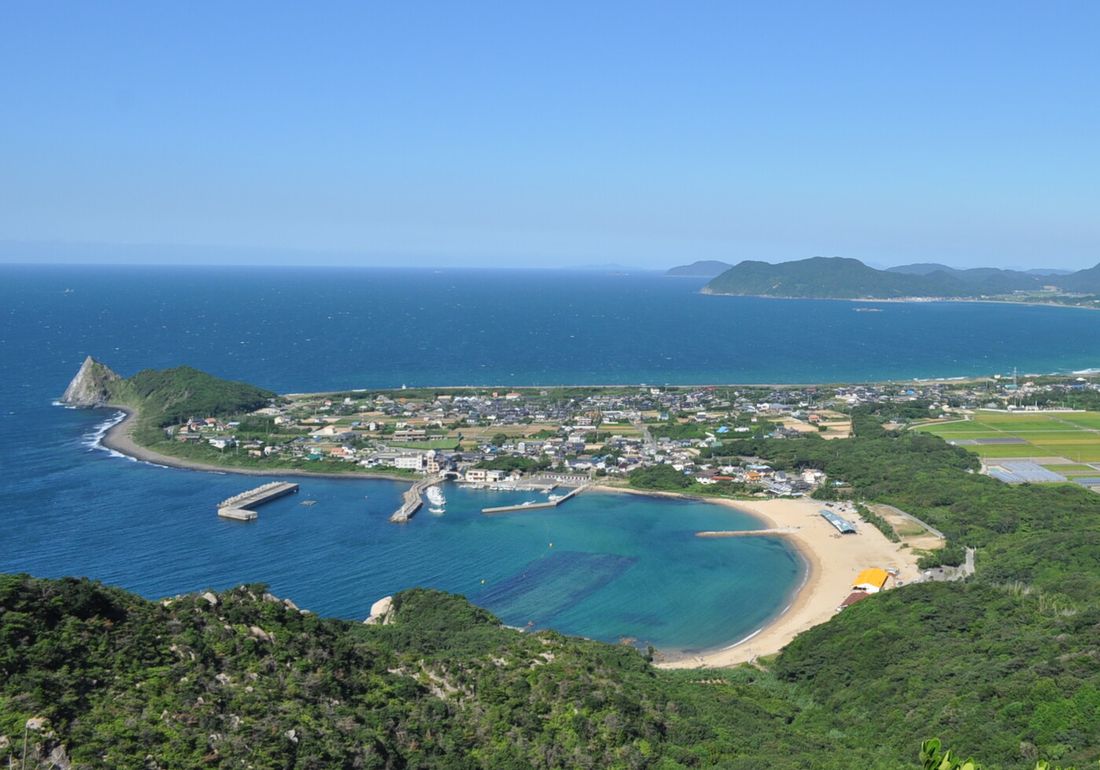
Unson House, on the Itoshima coast
A seaside foundation facility whose ethos — long-term, intergenerational thinking — mirrors the themes of the retreat.
The place & its ethos
Unson House (雲孫ハウス) is a facility of the Unson Foundation, near Kishi fishing port on the north Itoshima coast. The foundation is guided by a roughly 300-year, ninth-generation horizon ("雲孫" — a ninth-generation descendant) for human–environment coexistence. It hosts retreats and community and youth events, and is philosophically aligned with a retreat about resilience and the long term.
The facility is offered free of charge for public-interest use, and is provided as the venue for the retreat.
- Address
-
雲孫ハウス
〒819-1334 福岡県糸島市志摩岐志
Unson House, Shima-Kishi, Itoshima, Fukuoka 819-1334, Japan
Getting there
Unson House sits on the north Itoshima coast, near Kishi fishing port (岐志漁港). The nearest station is Chikuzen-Maebaru (筑前前原) on the JR Chikuhi Line.
- By train — Chikuzen-Maebaru is reachable without changing trains from Fukuoka Airport, Hakata, and Tenjin: the Fukuoka City Subway (Kūkō Line) runs through onto the JR Chikuhi Line. Allow roughly 40 minutes from the airport.
- Station → venue shuttle — there is no usable public transport for the final stretch. A free chartered bus connects Chikuzen-Maebaru station and the venue; the journey takes about 20 minutes.
| Round | Pickup | Time |
|---|---|---|
| To the venue | Chikuzen-Maebaru station | 10:30 meeting |
| Return | Unson House | 14:15 / 17:15 / 19:15 |
The route at a glance
- Fukuoka Airport
- Hakata
- Tenjin
- Kyudai-Gakkentoshi for Kyushu University, Ito campus
- Chikuzen-Maebaru change to the shuttle bus
- Unson House the venue
- One train, no change: the Fukuoka City Subway (Kūkō Line) runs through onto the JR Chikuhi Line. About 40 minutes from the airport to Chikuzen-Maebaru.
- Free shuttle bus, about 20 minutes.
Why Unson House
The organizing group chose Unson House as the venue — a deliberate move toward a calm, rural setting rather than a conventional campus or conference space. Its long-term, intergenerational ethos and quiet coastal location are a natural fit for a small, trust-building stakeholder retreat, and give participants room to think, talk, and build relationships over the course of the day.
Participants
Who is in the room
Attendance is by invitation, kept deliberately small — about 30 people in total: researchers (approx. 20–24) and companies and public bodies (6–10), to ensure productive and deep dialogue.
Researchers
Academic participants
Experienced and early-career researchers from MIRAI universities. See profiles →
Stakeholders
Stakeholder participants
Regional stakeholders — municipalities, urban-innovation actors, and industry partners — invited with our local partner Urbanix. See profiles →
Who is behind it
A joint MIRAI activity
Hosted by two MIRAI Global Challenge Teams, organized by Kyushu University and Urbanix together, in a venue given by the Unson Foundation.
Hosted by
GCT4 — Energy Materials
MIRAI Global Challenge Team on materials for energy conversion and storage. Anchors the energy-materials side of the program.
GCT3 — Resilient Cities & Communities
MIRAI Global Challenge Team on resilient cities and communities. Brings the urban-resilience, governance, and stakeholder perspective to the day.
Organized by
Kyushu University
Roman Selyanchyn, Platform of Inter-/Transdisciplinary Energy Research. Funding, invitations, and the program.
Urbanix Co., Ltd.
Our local partner in Fukuoka. The venue, the stakeholder invitations, and running the day itself.
Venue given by
The Unson Foundation
The Foundation provides Unson House free of charge for public-interest use, and joins the day itself.
Institutions involved
Contact
Take part
If you have been invited, or would like to suggest a stakeholder, please get in touch with the organizing team.
Practical details
- Cost
- Free of charge, catering included.
- Language
- English is the working language. Language support is provided at every table, and materials are prepared in both English and Japanese.
- Meals
- Lunch, refreshments and dinner are provided. Dinner is optional, at Unson House from 17:30 to 19:00.
- Accommodation
- Not arranged centrally — participants book their own stay in Fukuoka or Itoshima.
Attendance is by invitation
The total is about 30 people, including researchers, stakeholders, and the organizing team, with 6–10 places for companies and public bodies. Roman Selyanchyn coordinates researcher invitations and nominations. Urbanix coordinates company participation; the registration form in its leaflet is for companies only. For questions about taking part, contact the organizers.
Confidentiality rule
Participants bring real problems from their own organizations, so nothing said on the day is made public without that person's permission. Any write-up afterwards — including reports back to MIRAI — is checked with participants before it is finalized. The same applies to photographs.
Contact the organizers
For questions about the program, participation, or stakeholder involvement:
Email: [email protected]