Participants
Academic participants
Researchers invited from the two Global Challenge Teams behind the retreat — GCT4 (Materials for Energy Conversion and Storage) and GCT3 (Resilient Cities and Communities).
All GCT members listed here have confirmed. These are the GCT4 and GCT3 members who will attend the retreat. Guests invited by the GCTs and early-career researchers are listed below, and more may still be added.
Materials for Energy Conversion and Storage
8 invited · 8 confirmed
-
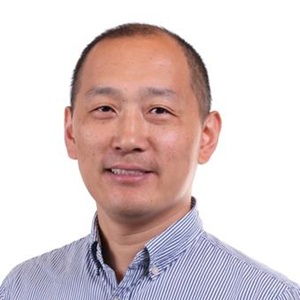
Feng GaoChair, SwedenConfirmed
Prof. · Physics, Chemistry and Biology (IFM), Linköping University
Profile -
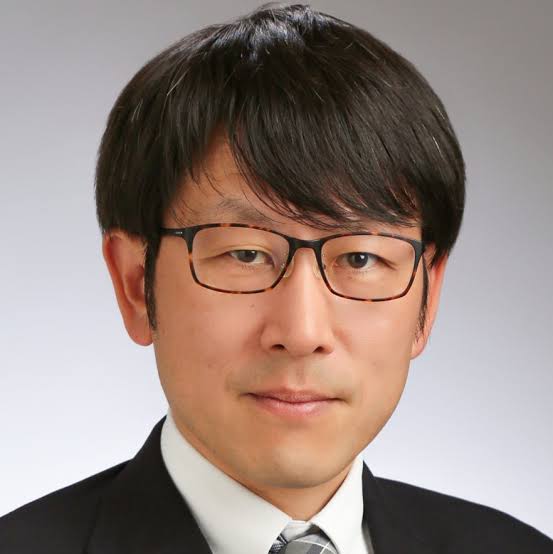
Masahiro Yoshizawa-FujitaChair, JapanConfirmed
Prof. · Materials & Life Sciences, Sophia University
Profile -
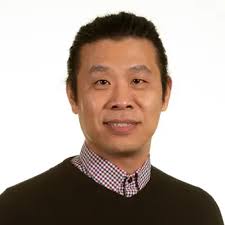
Leteng LinConfirmed
Associate Prof. · Built Environment and Energy Technology, Linnaeus University
ProfileI work at the intersection of chemical engineering, materials science, sustainable energy and circular resource systems. My current focus is on converting biomass into high-value functional carbon materials for energy storage, environmental remediation and climate-resilient circular systems.
-
-
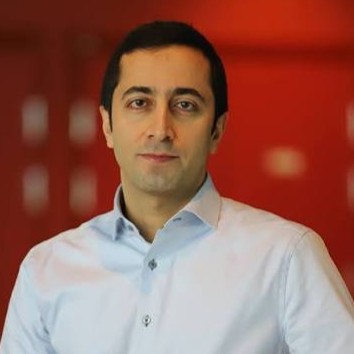
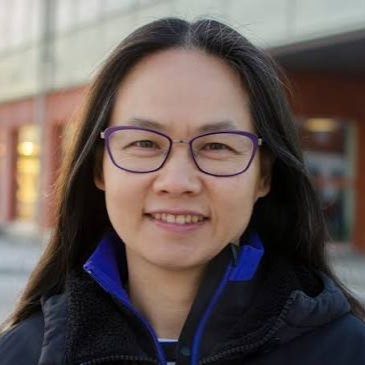
Mahmoud MousaviConfirmed
Prof. · Materials Science and Engineering, Uppsala University; Researcher, Hitachi Energy
ProfileMy research at Uppsala University focuses on architectured materials, multiphysics and computational mechanics, while through my collaboration with Hitachi Energy I work on applying these approaches to challenges in future electrical power systems. I’m keen to hear how researchers and industry stakeholders see materials and system-level innovation contributing to the future of electrical power transmission.
-
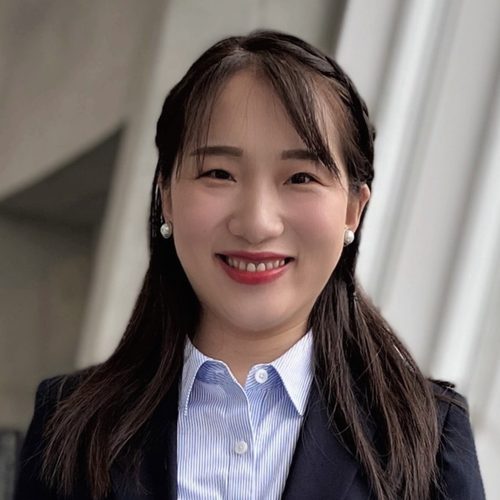
Fangqin GuoConfirmed
Assistant Prof. · Advanced Science and Engineering, Hiroshima University
ProfileI work at the intersection of materials science, hydrogen energy, electrochemistry and sustainable energy systems. My current research focuses on hydrogen-storage materials, thermochemical hydrogen compression, hydride- and alloy-based electrodes for all-solid-state batteries, and the durability of alkaline water electrolysis under fluctuating renewable power conditions.
-
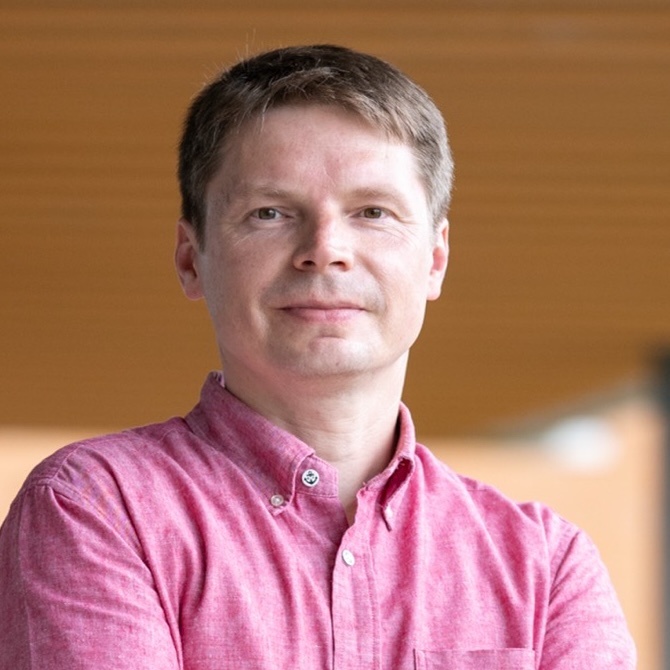
Roman SelyanchynHostConfirmed
Associate Prof. · Q-PIT, Kyushu University
ProfileMy research is on gas separation membranes that could be used to capture CO₂ from air or from industrial gas mixtures. I’m keen to hear how stakeholders see this technology fitting into CO₂ management in the built environment — schools, offices, and other buildings.
-
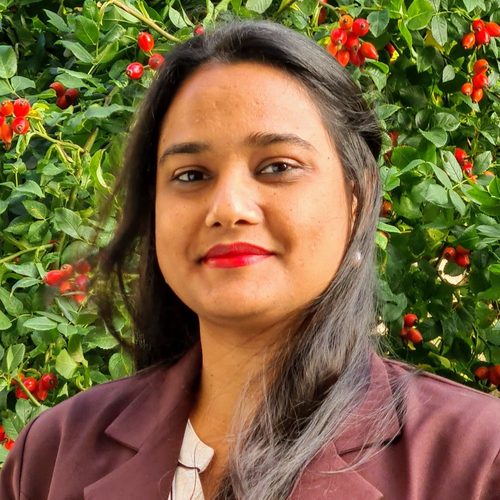
Swagatha GhoshConfirmed
Assistant Prof. · Applied Physics, Nagoya University
ProfileMy research aims at understanding the fundamental molecular mechanisms that regulate climate adaptation of certain fish species near the North Pole. We use structural biophysics and high-resolution imaging to address these questions, and our findings could have biomedical applications. From the stakeholders, I would like to hear about their interest in bringing climate awareness into school and university classrooms.
Resilient Cities and Communities
5 invited · 5 confirmed
-
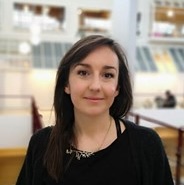
Irina ManchevaChair, SwedenConfirmed
Assistant Prof. · Political Science, Umeå University
ProfileI focus on natural resource governance and the implementation of sustainability goals. I am particularly interested in exploring real-world implementation challenges and identifying opportunities for communities to advance climate adaptation and resilience through nature-based solutions.
-
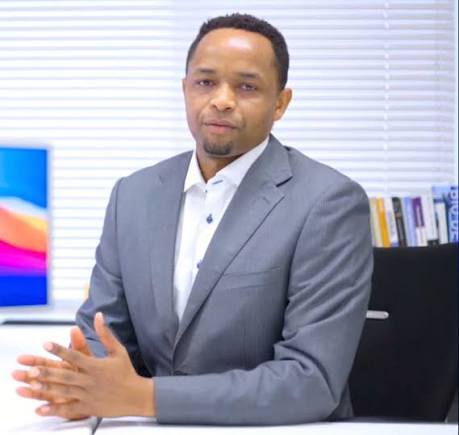
Emanuel LeleitoChair, JapanConfirmed
Lecturer · Civil Engineering, Nagoya University
ProfileMy research explores how human-centered urban informatics, grounded in architecture and urban planning, can contribute to more inclusive, sustainable, and resilient communities. I use spatial, computational, and immersive methods to develop participatory approaches that bring technological innovation, local knowledge, and collective action together. At the retreat, I hope to exchange ideas beyond disciplinary boundaries, uncover unexpected connections, and explore how they might develop into new collaborations in research, education, and practice.
-
Patrik StrömConfirmed
Prof. · European Institute of Japanese Studies (EIJS), Stockholm School of Economics
ProfileMy research is focusing on the development of the advanced service industry and the transformation of economies that are becoming more service and knowledge based. The primary regional focus is Japan, South Korea, China and other emerging markets of East Asia, as well as the Single Internal Market for services in the EU. During the last ten years I have increasingly worked with issues regarding the transition towards the green economy in Europe and Asia. Main contributions within this area are the books Services and the Green Economy (2016) and the Research Handbook on the Green Economy (2024).
-
Jonathan RoquesConfirmed
Associate Prof. · Biological & Environmental Sciences / SWEMARC, University of Gothenburg
ProfileI am a biologist, specialized in animal welfare, ecophysiology and behavior of aquatic species. My main research interest is to optimize the rearing conditions and welfare of animals in aquaculture practices. I use a multidisciplinary approach, combining physiology and behavior together with system design and the development of sensors and use of AI to ameliorate current farming practices. I am aiming at increasing the sustainability of local farming seafood for self-sufficiency, through interdisciplinary and socially engaging research. I am aiming to hear more about novel technologies for implementation in aquaculture systems.
-
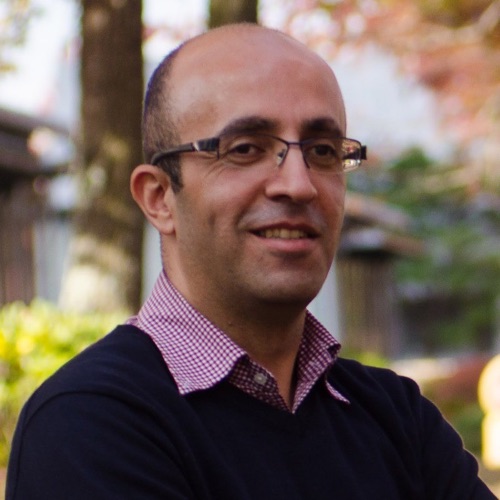
Ayyoob SharifiConfirmed
Prof. · The IDEC Institute, Hiroshima University
ProfileMy research focuses on smart cities and the interface between urbanism and climate change mitigation and adaptation. I am particularly interested in integrated planning approaches that facilitate co-benefits and synergies for health, sustainability, resilience, and peace.
Participants
Invited by the GCTs
Researchers who are not GCT members, invited to the retreat by the GCT chairs.
-
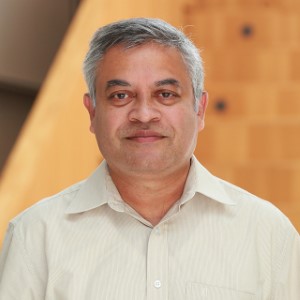
Prasanna DivigalpitiyaConfirmed
Associate Prof. · Human-Environment Studies — Urban and Architecture, Kyushu University · Invited by GCT3
ProfileMy research examines urban growth, land-use efficiency, and urban transformation across expanding and shrinking cities. Using GIS, satellite imagery, spatial analysis, and modelling, I investigate how urban development strategies influence urban form and land-use efficiency over time. Focusing on South and Southeast Asia, Japan, and Western cities, my work seeks to support evidence-based planning strategies that foster sustainable, resilient, and livable urban environments.
-
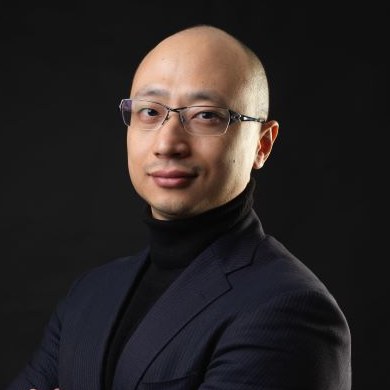
Xuepeng QianConfirmed
Prof. · Global Environmental Studies, Sophia University · Invited by GCT3
ProfileI study resilient cities and communities through urban sustainability, environmental governance, and sustainability transitions. My recent research examines how cities and local communities respond to challenges such as decarbonization, urban shrinkage, resource circulation, climate risks, and behavioral change. By integrating urban studies, behavioral science, systems approaches, and data-driven analysis, my work aims to support more sustainable, adaptive, and resilient urban futures.
-
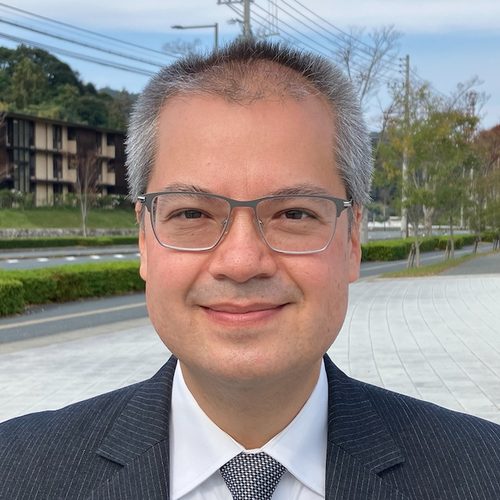
Richard NakamuraConfirmed
Senior Lecturer · Business Administration, University of Gothenburg · Invited by GCT3
ProfileMy research concerns how the green transformation and digital transformation impact the economic activities of agents. Seen from entrepreneurial and business perspectives, understanding Smart cities initiatives and how they contribute to the overall green transformation and sustainable development is the core of my research interest in this field.
Participants
Early-career researchers
Early-career researchers are an important part of growing the MIRAI community, so the workshop includes a number of ECRs and gives them the opportunity to pitch their work.
More early-career researchers will be added as they are nominated. If you supervise a PhD student or postdoc who would benefit from this workshop, contact [email protected].
-
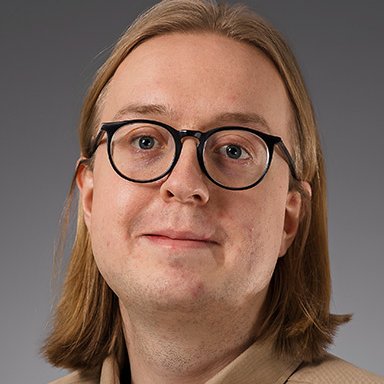
Emil OlofssonConfirmed
PhD student · Political Science, Umeå University · GCT3
ProfileMy research focuses on the governance of sustainability transitions, with particular attention to their social consequences. During the workshop, I’m keen to explore with stakeholders how participatory, actionable approaches can help build resilient cities and communities as part of the shift to low-carbon futures.
-
To be nominated
Early-career researcher · Sweden
-
To be nominated
Early-career researcher · Japan
-
To be nominated
Early-career researcher · Japan